
The Rise of the Self-Serve Retail Media Network: Opportunities for Brands
Learn how self-serve retail media networks are transforming the advertising landscape, enabling brands of all sizes to advertise directly on retail screens.
Take 10 Media ·
At a Glance
The digital marketing landscape has undergone an extraordinary shift over the past few years, highlighted by the meteoric rise of the retail media network (RMN). Originally popularized by e-commerce giants, retail media has expanded aggressively into physical brick-and-mortar locations. By introducing self-serve models, retail media networks are now democratizing access to in-store digital screens and ATM terminals. This allows both local businesses and national brands to engage shoppers directly at the point of sale, capturing high-intent audiences where they are already primed to spend.
The Evolution of Retail Media: From Online to In-Store
For several years, retail media was primarily synonymous with online search results on e-commerce sites. Brands paid premium rates to feature their products at the top of digital search lists on large retail platforms. However, while e-commerce represents a highly valuable segment, the physical world is where the vast majority of retail commerce still takes place. Over 80% of retail transactions occur in brick-and-mortar storefronts.
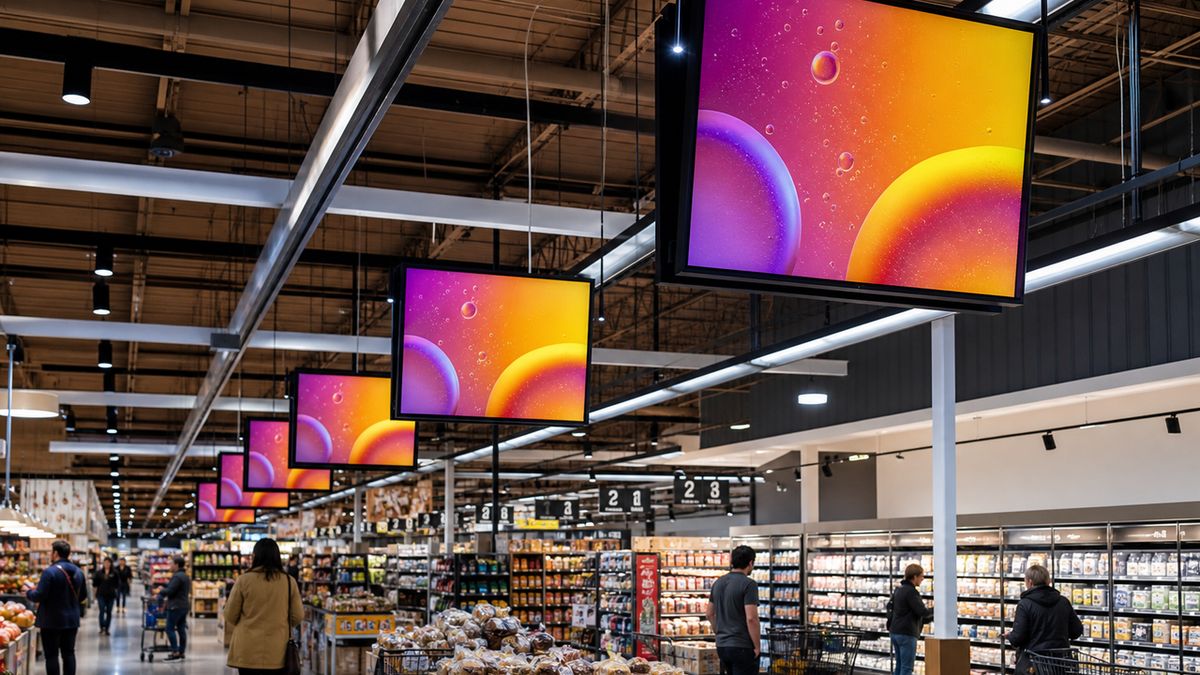
This reality has catalyzed the second wave of retail media innovation: physical retail media networks. Rather than focusing solely on web banners and online search slots, retailers are converting their physical footprint into high-value advertising networks. By installing bright, high-definition digital screens at cash registers, checkout aisles, and ATM kiosks, stores can monetize their physical foot traffic while offering advertisers unmatched visibility.
Why “Self-Serve” is a Game Changer for Brands
Historically, participating in a retail media network was incredibly difficult for anyone other than multi-million dollar consumer packaged goods (CPG) conglomerates. Negotiating placements required massive upfront commitments, complex legal agreements, and lengthy sales cycles.
The introduction of self-serve retail media networks has changed everything. Here is why this model is a revolutionary breakthrough for modern advertisers:
- Lower Barriers to Entry: No massive upfront retainers are required. Brands of all shapes and sizes can buy ad space with flexible daily budgets, matching their actual cash-flow and campaign schedules.
- Direct Platform Access: Instead of waiting days for an ad agency or broker to coordinate with retail venue partners, you manage everything yourself. You log into a single portal, set up your criteria, and push your campaign live.
- Agility and Testing: If a specific product goes out of stock or you want to launch a flash promotion, you can swap your video creatives in real-time. This level of immediate agility is unprecedented in physical out-of-home advertising.
To understand the core steps to build and launch a successful localized ad campaign, read our comprehensive guide on how to buy self-serve ads.
Endemic vs. Non-Endemic Advertising: Who Benefits?
One of the most exciting aspects of modern, self-serve retail media is the division of advertisers into two distinct categories: endemic and non-endemic.
Endemic Advertisers
These are brands whose products are sold directly on the shelves of the retail location hosting the screens. For example, a beverage manufacturer running a 10-second video ad at a convenience store register is an endemic advertiser.
- Goal: Drive immediate purchase lift on-site. When a customer waiting in line sees a vibrant video of a refreshing drink, they can easily grab one from the nearby cooler.
Non-Endemic Advertisers
These are brands whose products or services are not sold in that specific store, but who want to tap into that store’s hyper-localized customer demographics. Examples include local insurance agencies, dental clinics, real estate brokers, and automotive repair shops.
- Goal: Leverage the store’s high-traffic environment to build top-of-mind local awareness. By displaying ads on in-store screens and high-visibility ATM displays, a local service provider can establish deep roots in the community.
Whether you fall into the endemic or non-endemic category, you can learn more about capturing local foot traffic in our deep dive into Convenience Store Display Advertising.
Key Strategies for In-Store Retail Media Success
To stand out within a busy brick-and-mortar environment, your creative and targeting strategy must be tailored for high-impact physical displays.
1. Focus on Dwell Time
Position your ads on screens where customers naturally linger. ATM terminals and checkout counters are ideal locations because shoppers stand in front of them for minutes at a time, looking for visual engagement to pass the time.
2. Design with Contrast and Simplicity
Physical displays compete with ambient store lighting and moving shoppers. Use high-contrast color palettes, bold fonts, and simple, readable layouts. Your key value proposition should be digestible in a single glance.
3. Implement Dynamic Call-to-Actions (CTAs)
Give viewers an immediate reason to act. A high-contrast QR code pointing to a localized landing page or a special promotional code works incredibly well on modern retail screens.
Scale Your Local Presence with Take 10 Media
The rise of the self-serve retail media network has made high-impact, physical-world advertising accessible to every business owner. You no longer need an agency budget to display your brand on premium digital signage in your community.
Take 10 Media operates a vast, state-of-the-art network of over 1,500 retail, convenience store, and ATM screens. Our intuitive, self-serve portal enables you to reach shoppers at the critical point of decision, driving real-world foot traffic and measurable local brand growth.
Learn more about our powerful network and ad offerings by exploring our Self-Serve Ad Solutions, or register a free account in the Take 10 Media Ad Portal and launch your first digital campaign today!
Frequently asked questions
What is a retail media network (RMN)?▼
A retail media network is an advertising platform owned by a retailer or a retail venue network that allows brand advertisers to buy ad space across the retailer's physical and digital channels, such as in-store display screens, website, or mobile app.
What makes a 'self-serve' retail media network different?▼
Traditional retail media networks require large ad budgets and complex sales processes. A self-serve retail media network lets brands of any size log into a portal, set up a budget, upload creative, and buy ads directly.
What are the benefits of in-store digital retail media?▼
It allows brands to reach consumers exactly where products are sold, driving immediate lift in sales and brand recall, and maximizing the efficiency of advertising budgets.
Who can advertise on a retail media network?▼
Both endemic brands (whose products are sold directly in the stores) and non-endemic brands (local services, real estate, automotive, etc., who want to leverage the location’s foot traffic) can advertise.
How can I access Take 10 Media’s retail media network?▼
You can access our comprehensive network of over 1,500 retail, convenience store, and ATM screens by visiting cms.take10media.com/ads and creating a free account.
Ready to launch your campaign?
Reach shoppers at the point of decision with self-serve video ads across 1,500+ premium retail and ATM locations.