
The Convergence of Programmatic DOOH and Retail Media: What to Watch in 2026
WOO and PwC put FY2025 global programmatic DOOH at $1.339 billion. Retail led advertiser spend, and most of it traded in private marketplaces—local brands can still book screens without an exchange seat.
Take 10 Media ·
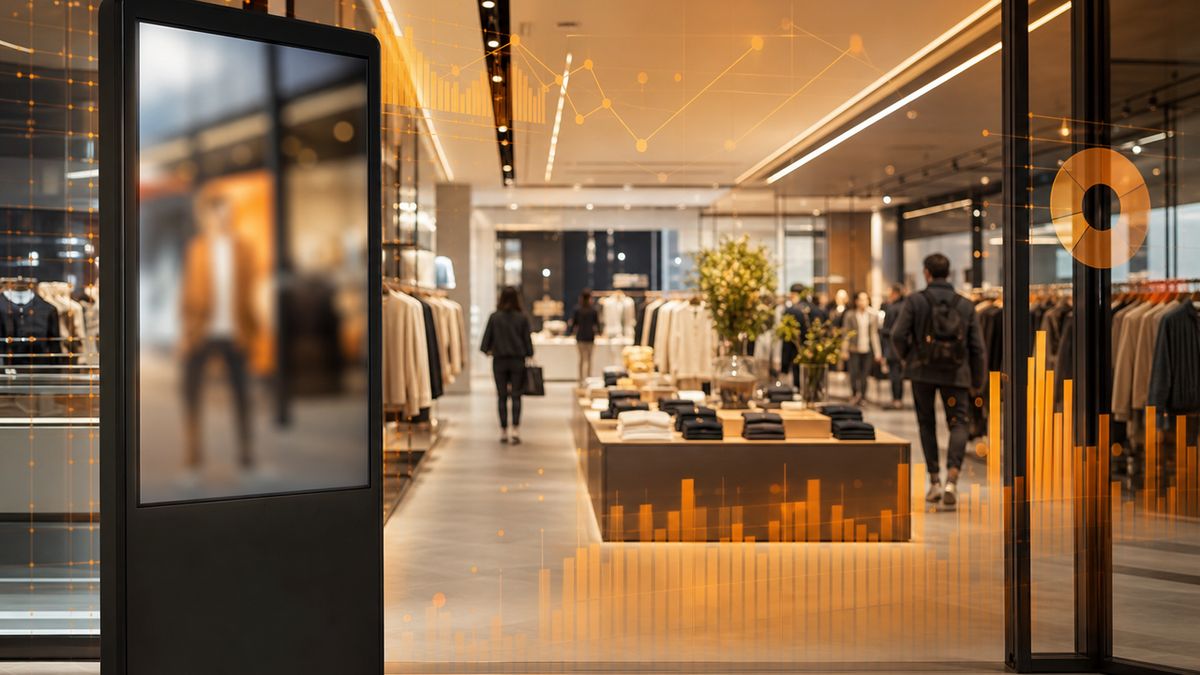
At a glance: The WOO Global pDOOH Expenditure Study 2026—PricewaterhouseCoopers as independent aggregator of 12 supply-side platforms across 40+ markets—puts full-year 2025 global programmatic DOOH at $1.339 billion, 7.0% of total global DOOH spend. The United States is the largest market by volume at $545.5 million (15.9% penetration). The Media Leader (29 Sep 2026), citing the study’s advertiser cut, reports retail as the largest vertical at $165 million (12.4%). Private marketplaces are 75.7% of global pDOOH ($1.014 billion). Those figures are supply-side indicative estimates, not Take 10 revenue and not a rate card. Local brands buying a convenience-store checkout or ATM screen do not need an exchange seat. Venue-level self-serve is the small-budget path on our US network of 1,500+ C-store and ATM screens.
What WOO and PwC Measured for FY2025
Report 1 (geography; WOO says it was available from 14 Sep 2026) and Report 2 (verticals, DSPs, and deal types) use the same dataset: confidential SSP revenue sent to PwC. PwC aggregated and sense-checked those submissions. It did not audit each platform’s file. WOO calls the results indicative market estimates.
As published in Report 1:
- Global pDOOH, FY2025: $1.339 billion, 7.0% of total global DOOH spend.
- United States: $545.5 million, penetration 15.9%. Germany’s 31.8% is the highest penetration of any major market—volume and adoption are different numbers. Take 10’s screens are in the United States only.
- Americas $667 million (14.1% penetration); EMEA $521 million (9.4%); Asia-Pacific $151 million (1.7%).
- Private marketplace 75.7% ($1.014 billion). OOH-specialist DSPs 65.5% ($877 million).
Report 2’s public summary says retail, finance, and business & industrial lead advertiser verticals. The dollar figure for retail—$165 million, 12.4% of 2025 spend—comes from The Media Leader’s account of that study, not from a Take 10 tally. Retail leads on the buyer side: brands paying to be near stores.
None of these dollars is a Take 10 CPM, fill rate, or screen count.
From Digital Shelf to Digital Street: The 2026 Retail Media Revolution
For several years, retail media meant banners and sponsored search on e-commerce sites. Store screens are the physical counterpart: the retail advertisers ranked first in the WOO study are buying space near the shelf, not only on the website.
MadTech Magazine’s digital shelf to digital street is commentary on that shift. It is not the expenditure dataset above.
Traditional out-of-home often meant manual negotiations and long lead times. Programmatic DOOH shortens some of that, but the WOO figures say it did not copy open-auction digital: 75.7% of FY2025 spend still sits in private marketplaces. For a local brand, flexible budgeting is more often a venue-level booking than a real-time bid.
Key Trends Driving programmatic DOOH in 2026
Spend totals above come from WOO and PwC, not from operator blogs. Broadsign’s note on trends shaping out-of-home is useful for how buying workflows are changing, not as a second market-size source:
- The Expansion of In-Store Retail Media Networks: Physical store networks are expanding rapidly, adding new digital touchpoints and supporting smart, context-aware content that adapts based on venue type, time of day, or regional demographics.
- Automated and Agile Buying Workflows: Broadsign describes programmatic guaranteed and other automated workflows replacing some manual sales. WOO’s mix says those workflows are mostly private marketplaces and specialist DSPs, not a copy of open-web real-time bidding.
- Audience-Led and Data-Driven Planning: Instead of buying billboard locations purely by geography, brands are bringing first-party data, shopper intent signals, and localized audience insights into their DOOH planning, ensuring ads appear on screens when the most relevant shoppers are nearby.
The Take 10 Media Approach: Premium In-Store Footprint
As programmatic DOOH and retail media merge, the success of any campaign hinges on the quality of the physical screen placement and the relevance of the venue. Broad, generic billboards on highways certainly build brand awareness, but they cannot influence immediate purchase intent the way in-store retail displays do.
Take 10 Media’s network is 1,500+ US convenience store and ATM locations. That is our screen count, not a slice of the $1.339 billion WOO total.
This specialized network targets two of the most critical touchpoints in the modern shopper’s routine:
- Convenience Store Displays: Convenience store shoppers are high-frequency visitors who enter stores with immediate purchasing intent. Placing vibrant video displays in checkout queues and near high-traffic point-of-sale areas allows brands to engage consumers exactly when they have their wallets out and are finalizing their buying decisions.
- ATM Active Transaction Screens & Toppers: During a withdrawal or balance check, the customer is already looking at the screen. Toppers and transaction screens put a video ad in that pause. That is placement, not a measured viewability rate.
Empowering Brands with Self-Serve Video Advertising
Most of that $1.339 billion trades in private marketplaces (75.7%) through OOH-specialist DSPs (65.5%)—invited deals between selected buyers and sellers, not an open seat a local brand has to win. A neighborhood advertiser who wants named screens next to the register does not need an exchange login. Venue-level self-serve is the small-budget path.
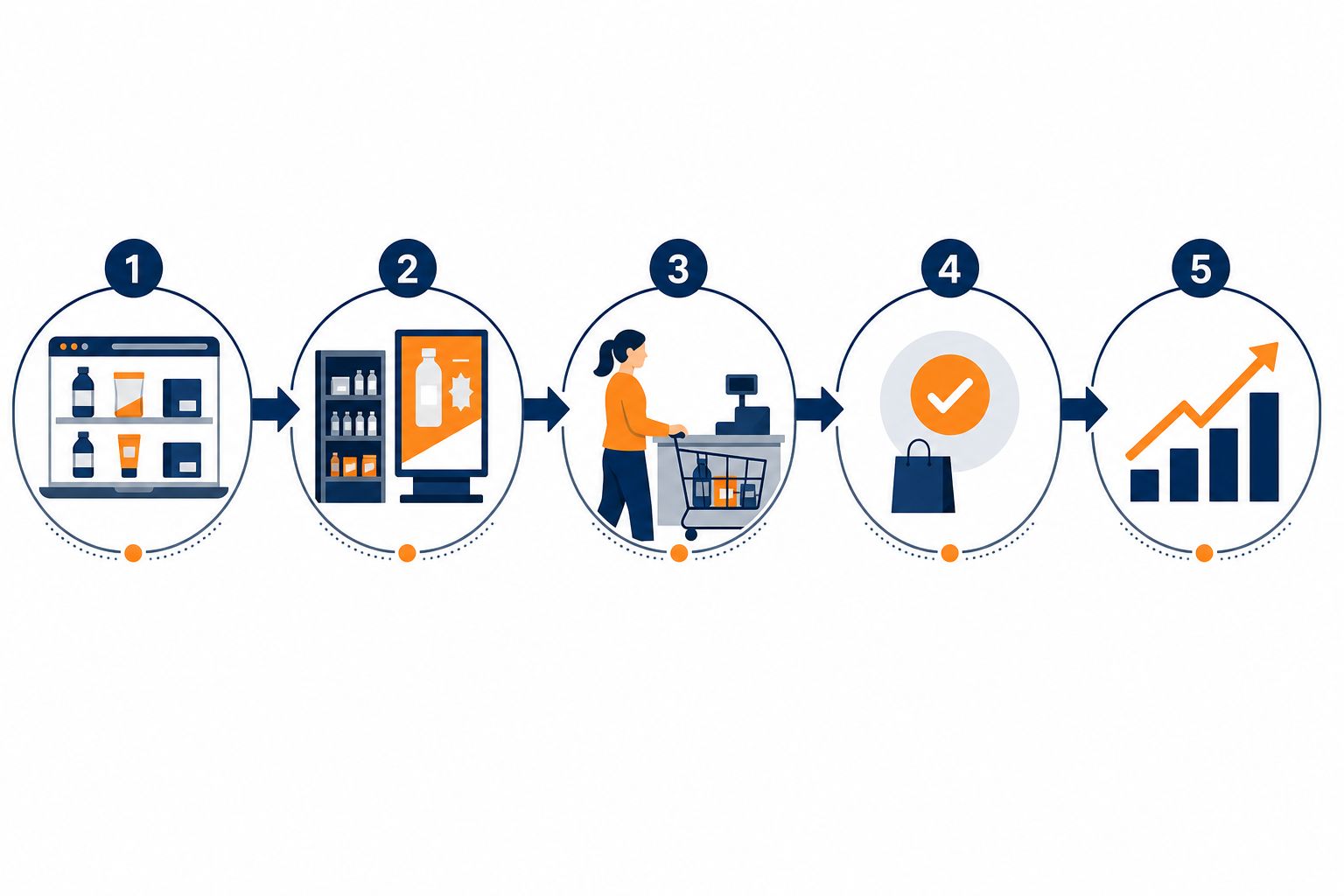
On Take 10’s self-serve advertising platform, you book the flight yourself. In the Take 10 Media Ads Portal, advertisers set up an in-store video campaign:
- Pick the Right Touchpoints: Select from convenience store checkout screens, high-focus ATM displays, or regional clusters.
- Control Your Budget: Set the flight in the portal instead of sending an agency RFP. The live quote is in the portal—this article does not publish a rate card.
- Upload Your Video Assets: Seamlessly upload high-quality video creative. Because our displays support full-motion video, brands can bring their existing social media or digital video campaigns directly onto physical retail screens.
- Track Performance in Real-Time: Access a comprehensive reporting dashboard to monitor impressions, active screens, play counts, and budget delivery.
Crafting Your Omnichannel Video Strategy
To succeed in this programmatic, retail-centric era, brands should plan their DOOH placements as part of an integrated funnel. A video campaign should not run in a silo. Instead, it should reinforce the digital touchpoints that consumers experience online.
For example, a brand running social media ads to build online interest can use in-store retail screens to capture those same consumers when they walk into a physical store. By aligning the messaging across both online channels and physical store-screen networks, brands can significantly lower the friction between discovery and purchase.
If you are exploring where to deploy your next video campaign, check out our comprehensive guide on where to launch self-serve video ad campaigns. This resource breaks down the specific advantages of convenience store environments and provides practical recommendations for choosing the right screens for your brand’s audience.
The Media Leader’s report of the WOO study ranks retail as the largest pDOOH advertiser vertical, and WOO shows most of the money clearing through private marketplaces. That is an agency and DSP story. For a local budget aimed at a convenience store or ATM, book the screens directly. Start a self-serve campaign on 1,500+ US locations—minutes upon approval, not an agency RFP. Market dollars in this article are WOO/PwC estimates, not Take 10 pricing.
Frequently asked questions
What is programmatic digital out-of-home (pDOOH) in retail media?▼
Programmatic DOOH in retail media is automated buying of digital screens in or near stores. The WOO Global pDOOH Expenditure Study 2026, with PwC aggregating 12 supply-side platforms, puts global pDOOH at $1.339 billion for FY2025—7.0% of global DOOH spend. Those are supply-side indicative estimates, not Take 10 rates. A local brand can also book named US convenience-store and ATM screens in a self-serve portal after approval, without an exchange seat.
Why is retail media expanding from online to physical in-store screens in 2026?▼
The Media Leader (29 Sep 2026), citing the WOO study, reports retail as the largest pDOOH advertiser vertical at $165 million, or 12.4% of 2025 spend—brands paying to be near stores. Physical screens still sit where the purchase happens. That retail total is a WOO/PwC market estimate, not Take 10 revenue.
What venues are included in the Take 10 Media network?▼
The Take 10 Media network includes 1,500+ US locations, primarily digital screens inside convenience stores and active ATM screens. That count is our inventory, not a share of global pDOOH spend.
How does the Take 10 Media self-serve portal work?▼
Advertisers can access the Take 10 Media portal at cms.take10media.com/ads, select locations, set a budget, and upload video. Non-admin advertisers need approval before a flight goes live. The portal is venue-level booking, not a DSP seat on the private marketplaces in the WOO study.
What creative formats work best on in-store retail screens?▼
High-contrast, dynamic, text-friendly video formats work exceptionally well on in-store screens. Since retail and convenience store environments can have ambient noise, video ads designed with clear visual storytelling and legible on-screen messaging ensure maximum impact and message retention.
What are the benefits of programmatic out-of-home buying compared to traditional OOH?▼
WOO’s FY2025 study finds 75.7% of global pDOOH ($1.014 billion) traded via private marketplaces and 65.5% ($877 million) through OOH-specialist DSPs—invited deals, not an open exchange. That structure suits agencies that already have a seat. A small-budget brand that wants a named C-store or ATM screen can use venue-level self-serve instead. Take 10 does not publish a CPM from these figures.
Ready to launch your campaign?
Reach shoppers at the point of decision with self-serve video ads across 1,500+ premium retail and ATM locations.